
Step-by-Step Checklist for Emergency Relief Assistance After Natural Disasters Guide
I’ve stood in the wreckage of enough towns to know one universal truth: when the storm clears, the confusion rolls in. The sirens stop, the adrenaline crashes, and you’re left staring at a pile of splintered lumber or a waterlogged living room, wondering what the hell comes next. Here’s the ugly truth nobody tells you on the evening news—help doesn’t just magically show up at your doorstep with a welcome basket. You have to navigate a bureaucratic maze while your boots are still caked in mud. Trust me on this: winging it is a luxury you don’t have. You need a cold, hard, step-by-step game plan to secure emergency relief assistance before the chaos swallows you whole. Let’s break down the exact checklist you need to survive the first 72 hours and beyond.

- • Phase 1: The First 24 Hours — Safety, Comms, and Triage
- ↳ Documenting the Damage Before You Touch a Single Thing
- • Phase 2: Securing Immediate Emergency Relief and Supplies
- • Phase 3: Navigating the Federal and State Aid Maze
- • Phase 4: Small Business Loans and Long-Term Recovery Capital
- ↳ The Contractor Warning
- ↳ What should I do if my insurance company denies my disaster claim?
- ↳ How long do I have to apply for FEMA individual assistance?
- ↳ Are FEMA grants considered taxable income?
- ↳ What if I don't have homeowners insurance? Can I still get government help?
Key Takeaways & Quick Overview
AI Verified
- ✔Step-by-step checklist for emergency relief assistance after natural disasters guide i’ve stood in the wreckage of enough towns to know one universal truth: when the storm clears, the confusion rolls in.
- ✔The sirens stop, the adrenaline crashes, and you’re left staring at a pile of splintered lumber or a waterlogged living room, wondering what the hell comes next.
- ✔Here’s the ugly truth nobody tells you on the evening news—help doesn’t just magically show up at your doorstep with a welcome basket.
- ✔You have to navigate a bureaucratic maze while your boots are still caked in mud.
Phase 1: The First 24 Hours — Safety, Comms, and Triage
Forget about insurance claims or FEMA applications right now. If you’re bleeding, broken, or breathing toxic mold spores, paperwork is useless. The immediate aftermath is pure survival mode. First, check your physical perimeter. Gas leaks, downed live wires, and structurally compromised walls kill more people *after* the hurricane or earthquake passes than the actual impact itself. If your gut tells you a building isn’t safe, get out. Period.
Next comes communication. Cell towers are likely toast or completely jammed. Don’t waste your battery refreshing Twitter. Check in with your immediate family, then log your status on the American Red Cross safe and well registry if you can get a sliver of data. People are looking for you. Give them a ping, then put your phone in low-power mode. You are going to need that battery later when the real administrative battle begins.
Documenting the Damage Before You Touch a Single Thing
I know your instinct is to start shoveling the muck out of your hallway. Fight that urge. Grab your phone—or a disposable camera if your battery is dead—and take wide, sweeping video and high-resolution photos of every single room, exterior wall, and destroyed possession. Zoom in on high-water lines. Capture the structural cracks. If you throw away that ruined drywall before snapping a picture, insurance adjusters will slash your payout. Treat your smartphone like a crime scene investigator’s toolkit. Every angle matters.
Phase 2: Securing Immediate Emergency Relief and Supplies
Once you’re breathing steady and your immediate environment is locked down, you need resources. Water, rations, tarps, and emergency shelter aren’t luxuries anymore; they’re currency. Local emergency management offices usually set up distribution points within 24 to 48 hours of a declared disaster, but finding out *where* can feel like a scavenger hunt.
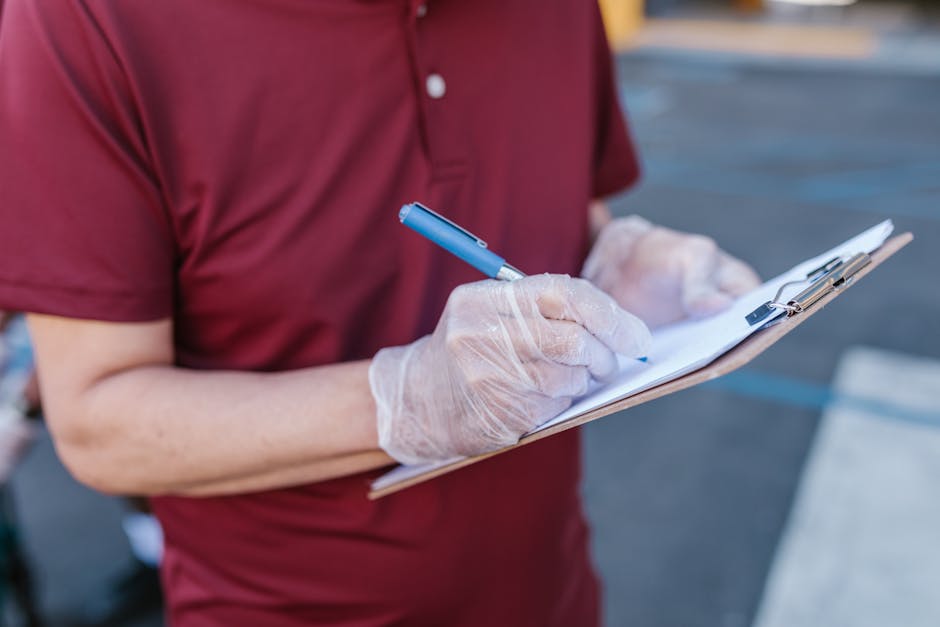
Here is your physical supply checklist to knock out immediately:
- Blue Tarps and Plywood: If your roof has a gaping hole, secure plastic sheeting *now* before the secondary rains ruin what the first storm missed.
- Potable Water: Assume municipal water is contaminated until health officials explicitly say otherwise. Boil it or stand in the line for bottled palettes.
- Cash on Hand: ATMs run on electricity. Power grids are down. If you don’t have physical paper bills in your wallet, you aren’t buying ice, gas, or generators.
Keep your ear glued to a battery-powered emergency radio for local shelter locations if your home is uninhabitable. Don’t be too proud to use a cot in a high school gymnasium for a night or two. Pride doesn’t keep you dry.
Phase 3: Navigating the Federal and State Aid Maze
This is where most people break down. The bureaucracy of disaster relief is soul-crushing. I’ve watched hardened veterans cry out of sheer frustration while filling out government forms. But you have to play the game to get the check.
Head straight to the FEMA disaster assistance portal the second you have internet access. If the web is down, call their hotline. You will need your Social Security number, a detailed list of damages, insurance policy info, and your bank routing numbers for direct deposit. Be brutally honest on these applications. Do not downplay your damage, but do not exaggerate either—fraud investigators are deployed fast after major events.
Keep a dedicated notebook. Every single time you talk to a FEMA agent, an insurance adjuster, or a local aid worker, write down:
- Their full name and badge/ID number
- The exact date and time of the call
- A summary of what they promised you
They will lose your paperwork. It happens in almost every major disaster. When they claim they never received your claim, you need to be able to drop a specific timestamp and name right back into their lap. That notebook is your armor.
Phase 4: Small Business Loans and Long-Term Recovery Capital
FEMA grants are usually peanuts—just enough to get you back on your feet temporarily, not enough to rebuild a destroyed life. If you need serious capital for structural repairs, look into the SBA disaster loan program. Don’t let the name fool you; these low-interest federal loans aren’t just for businesses. Homeowners and renters can apply too. The terms are often far better than anything you’ll get from a commercial bank in the middle of a regional economic crisis.
Simultaneously, track down local charitable organizations—Salvation Army, St. Vincent de Paul, or community foundations. They often cut checks for immediate rental assistance or emergency prescriptions that government agencies take weeks to approve.
The Contractor Warning
Scammers descend on disaster zones like vultures. Unlicensed contractors will knock on your door offering immediate repairs for cash. Never pay a contractor in full upfront. Verify their license with your state’s licensing board before they touch a single shingle. If they demand cash and refuse to pull permits, slam the door.
Frequently Asked Questions
What should I do if my insurance company denies my disaster claim?
Do not accept a denial as the final answer. Request a detailed, written explanation for the denial, hire an independent public adjuster to evaluate the damage yourself, and consider filing a complaint with your state’s insurance commissioner.
How long do I have to apply for FEMA individual assistance?
The standard application window is typically 60 days from the date of the presidential disaster declaration, though extensions are sometimes granted in catastrophic events. Apply immediately; do not wait until the deadline is looming.
Are FEMA grants considered taxable income?
No. Disaster relief grants provided by FEMA, state governments, or charitable organizations to help with uninsured necessary expenses and serious needs are generally tax-free.
What if I don’t have homeowners insurance? Can I still get government help?
Yes. While you won’t get insurance payouts, FEMA offers Other Needs Assistance (ONA) for uninsured essential items, temporary housing, and medical expenses caused by the disaster. You may also qualify for low-interest SBA disaster loans.