
Step-by-step Method to Dispute Unauthorized Credit Card Charges Safely Guide
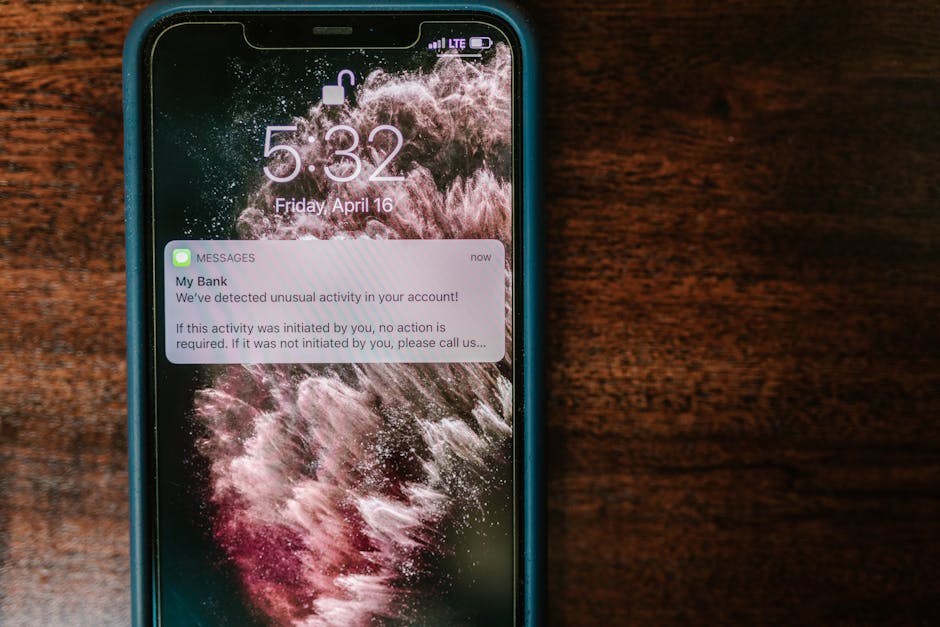
You wake up, grab your phone, and a rogue notification flashes across the screen: a $487.50 charge from an online retailer three time zones away. Your stomach drops. I’ve been there, and I know that cold sweat. Here’s the ugly truth: credit card fraud is a numbers game run by organized rings, and waiting around hoping the bank notices on their own is a fool’s errand. You have to act, and you have to act fast. Trust me on this—the window between a minor annoyance and a financial nightmare is razor-thin.

Most folks panic, call the customer service hotline, and scream at the first representative who answers. That doesn’t work. Banks operate on rigid, bureaucratic compliance checkboxes. If you don’t speak their language—the language of the Fair Credit Billing Act protections—you will get stonewalled. Let’s break down the exact, methodical blueprint to dispute those unauthorized charges, protect your credit score, and get every single penny back without blowing a fuse.
- • Step 1: Freeze Your Plastic and Audit the Damage
- • Step 2: Contact the Merchant First (Only If It's Not Full-Blown Identity Theft)
- • Step 3: Invoke the Fair Credit Billing Act (FCBA) Like a Pro
- • Step 4: Paper Trail Everything (The Cyber-Paperwork Shield)
- • Step 5: File Official Government Reports If Identity Theft Is Involved
- • Step 6: Monitor Your Credit Reports Like a Hawk
- ↳ How long do I have to dispute an unauthorized credit card charge?
- ↳ Will disputing a charge ruin my credit score?
- ↳ What is the difference between a debit card dispute and a credit card dispute?
- ↳ Should I close my credit card account after a single fraudulent charge?
Key Takeaways & Quick Overview
AI Verified
- ✔Step-by-step method to dispute unauthorized credit card charges safely guide you wake up, grab your phone, and a rogue notification flashes across the screen: a $487.
- ✔50 charge from an online retailer three time zones away.
- ✔I’ve been there, and i know that cold sweat.
- ✔Here’s the ugly truth: credit card fraud is a numbers game run by organized rings, and waiting around hoping the bank notices on their own is a fool’s errand.
Step 1: Freeze Your Plastic and Audit the Damage
Stop scrolling. Before you fire off a single email or talk to a collections agent, you need to lock down the bleeding. Pull up your statements from the last ninety days. I don’t just mean the current balance; I mean the pending transactions that look slightly off. Fraudsters love to test your card with a $1.25 gas station charge before they buy a high-end drone in Eastern Europe.
Open your banking app right now. Hit that temporary “Lock Card” or “Freeze” toggle. Do not cancel the card entirely yet—wait, let me rephrase that. If it’s pure fraud, yes, you will eventually cancel it. But right now, you need to cross-reference every charge against your actual receipts. Separate friendly fraud (like a family member making an accidental in-app purchase) from malicious skimming. Your legal standing depends entirely on this distinction.
Step 2: Contact the Merchant First (Only If It’s Not Full-Blown Identity Theft)
Here is where most personal finance bloggers give terrible advice. They tell you to instantly file a chargeback. Well, guess what? If you accidentally bought a subscription service and forgot to cancel it, filing a fraudulent chargeback with your bank is technically wire fraud. I’ve watched people get blacklisted by major banks because they cried wolf over a legitimate recurring charge they forgot about.
If the charge looks like a weirdly named vendor you might have actually interacted with, shoot them an email first. Give them 24 hours to issue a refund. If they ghost you, or if the charge is from a shady overseas entity you’ve never heard of in your life, skip this step entirely and move straight to the bank. No hesitation.
Step 3: Invoke the Fair Credit Billing Act (FCBA) Like a Pro
Under federal law, your maximum liability for unauthorized credit card charges is capped at $50. In reality, most major issuers—Visa, Mastercard, American Express, Discover—have zero-liability policies. But they won’t hand that money back out of the goodness of their hearts. You have to trigger their formal dispute process.
Call the number on the back of your card. When the automated robot asks what you want, mash zero or say “Dispute a charge” until you get a human being. Speak calmly. State your facts clearly:
- The exact date of the unauthorized transaction.
- The exact dollar amount down to the penny.
- The merchant name as it appears on your statement.
- A clear declaration: “I did not authorize this charge, I do not possess the merchandise, and I did not benefit from this transaction.”
Ask for a provisional credit immediately. Banks are legally required to investigate your claim within 30 days and resolve it within 60 days. Get a claim number. Write it down on a sticky note and paste it to your monitor. Without that claim number, your dispute vanishes into a digital black hole.
Step 4: Paper Trail Everything (The Cyber-Paperwork Shield)
Phone calls are great for getting the ball rolling, but in the banking world, phone calls didn’t happen unless they are logged. Follow up your phone call with a formal written letter. Send it via certified mail with return receipt requested if you want to be bulletproof, though secure message centers inside your online banking portal usually suffice.
Include copies of your police report if the theft was severe (like a stolen physical wallet). If your data was compromised in a massive corporate data breach, mention that specific breach name. The more context you provide, the faster the fraud department’s algorithm clears your name. Keep every single PDF, email confirmation, and chat transcript in a dedicated folder on your desktop.
Step 5: File Official Government Reports If Identity Theft Is Involved
If someone didn’t just steal your card number online, but actually opened accounts in your name using your Social Security number, you’ve crossed the line from routine credit card fraud into full identity theft. You need to head over to the Identity Theft report portal managed by the FTC.
Generate an official recovery plan. File a report with your local police department. Why? Because banks love asking for a police report number before they write off thousands of dollars in fraudulent charges. It acts as your ultimate shield against collection agencies trying to ruin your credit score while the investigation crawls forward.
Step 6: Monitor Your Credit Reports Like a Hawk
Once the dust settles and your balance is zeroed out, your job isn’t done. Fraudsters love to use compromised credentials in waves. Set up credit monitoring alerts through free services or your bank. Pull your official reports from AnnualCreditReport.com. Make sure there are no ghost inquiries or hidden secondary accounts lurking in the shadows.
Consider placing a credit freeze on all three major bureaus (Equifax, Experian, TransUnion). It’s free, takes about ten minutes per bureau, and makes it virtually impossible for anyone to open a new line of credit in your name without your explicit PIN or password.
Frequently Asked Questions
How long do I have to dispute an unauthorized credit card charge?
Under federal law, you have up to 60 days from the date the statement containing the fraudulent charge was mailed to you. However, do not wait. Credit card issuers often have internal policies that give you a much shorter window—usually 30 to 60 days from the transaction date—to get guaranteed provisional credit.
Will disputing a charge ruin my credit score?
No. Under the Fair Credit Billing Act, creditors cannot report a disputed amount as delinquent, threaten your credit rating, or take legal action to collect the disputed sum while the investigation is ongoing. However, you must still pay the undisputed portions of your bill on time to avoid late fees.
What is the difference between a debit card dispute and a credit card dispute?
Night and day. Credit cards are backed by federal consumer protection laws (FCBA) that limit your liability to $50. Debit cards fall under the Electronic Fund Transfer Act (EFTA). If you report a lost or stolen debit card within two business days, your liability is capped at $50. Wait longer than two business days, and you could be on the hook for up to $500—or worse, your entire bank balance.
Should I close my credit card account after a single fraudulent charge?
Not always. If your card number was skimmed at a gas pump, the bank will simply issue a replacement card with a new number while keeping your underlying account open. This preserves your account age and credit utilization ratio. If your entire identity was compromised and new fraudulent accounts were opened, you should close the compromised accounts immediately.